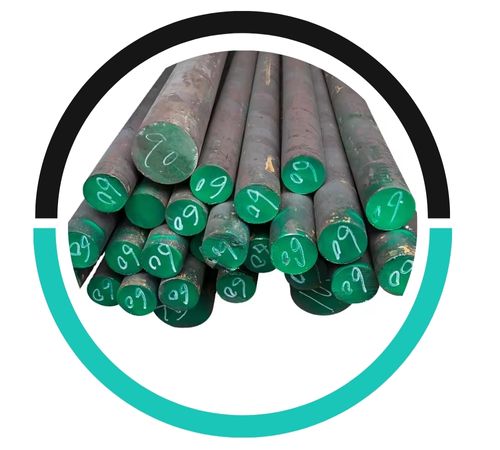
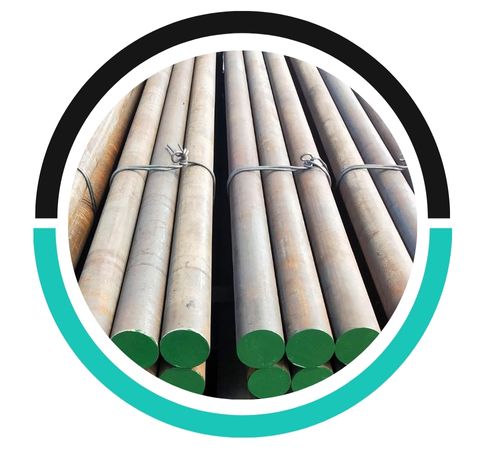
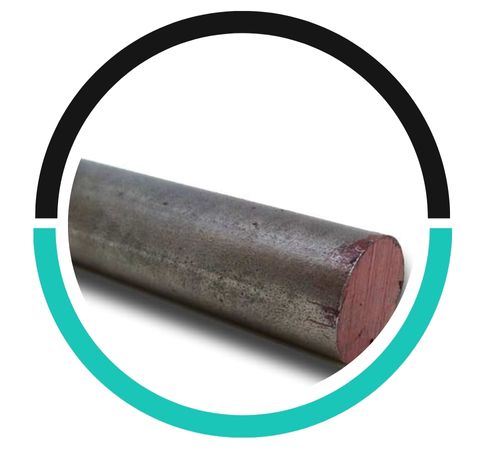
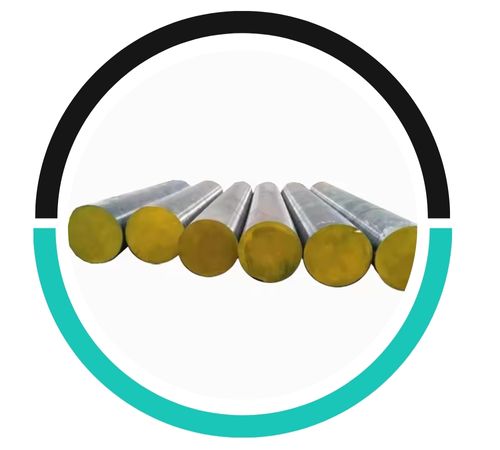
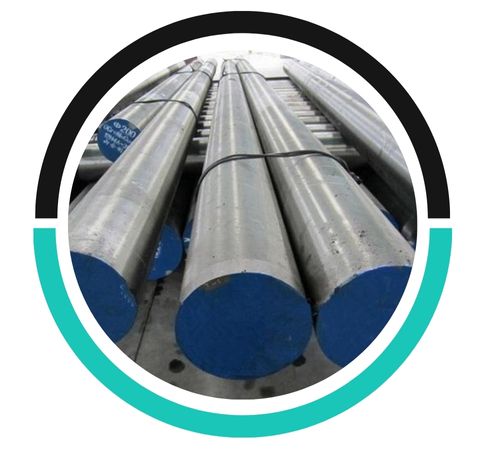
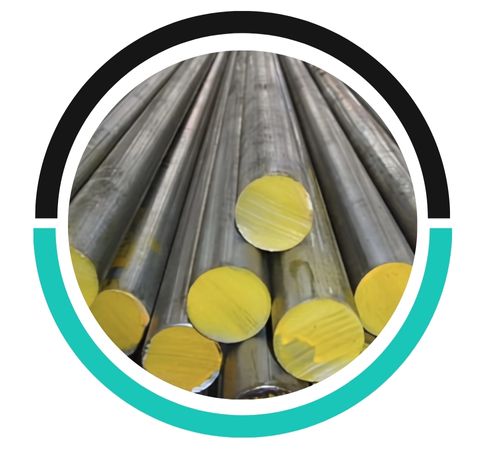
When it comes to **Tool and Die Steel O1 Bars**, these materials are highly regarded for their impressive dimensional stability, hardness, and wear resistance, making them a go-to choice for precision tools and industrial components. O1 is an oil-hardening, cold-work tool steel that strikes a great balance between toughness and edge retention, ensuring it holds up well under repeated mechanical stress. These bars are not only easy to heat treat and machine, but they also maintain sharp cutting edges, making them reliable performers in tough environments. That’s why you’ll often find Tool and Die Steel O1 Bars in tooling, die-making, and high-accuracy engineering applications.
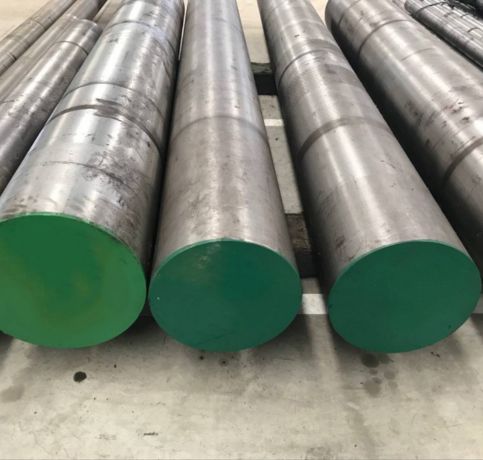
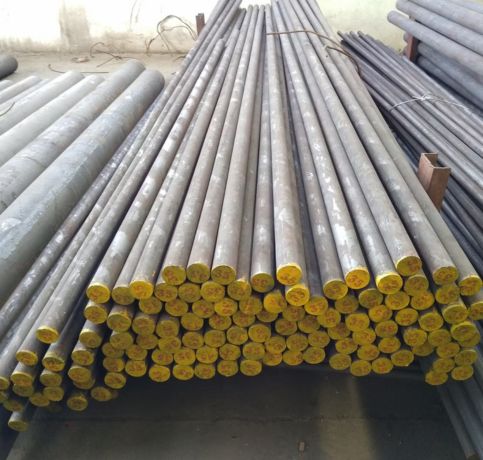
The composition of Tool and Die Steel O1 Bars includes a high-carbon, high-chromium alloy, along with manganese, tungsten, and trace amounts of vanadium. This unique blend gives the steel its remarkable hardness, strong wear resistance, good toughness, and minimal distortion during heat treatment. O1 steel develops a fine, uniform grain structure that boosts its cutting ability and durability. Plus, it boasts stable mechanical properties, which means it can maintain its dimensional accuracy even after going through multiple heating and cooling cycles. These features make Tool and Die Steel O1 Bars perfect for applications that demand long-lasting performance and precise machining.
| CHEMICAL PROPERTIES | O1 STEEL (%) |
|---|---|
| Carbon | 0.85-1.00 |
| Manganese | 1.00-1.40 |
| Silicon | 0.50 |
| Chromium | 0.40-0.60 |
| Nickel | 0.30 |
| Tungsten | 0.40-0.60 |
| Vanadium | 0.30 |
| Copper | 0.25 |
| Phosphorus | 0.03 |
| Sulfur | 0.03 |
| MECHANICAL PROPERTIES | O1 STEEL (Imperial) |
|---|---|
| Tensile Strength | 245000 psi |
| Yield Strength | 218000 psi |
| Elongation at Break | 0.00% |
| Modulus of Elasticity | 31000 ksi |
| Hardness (Rockwell) | 50 |
| Hardness (Vickers) | 517 |
| Hardness (Knoop) | 513 |
| Country | USA | German | Japan |
| Standard | ASTM A681 | DIN EN ISO 4957 | JIS G4404 |
| Grades | O1 | 1.2510/100MnCrW4 | SKS3 |
| Properties | Conditions | ||
| T (°C) | Treatment | ||
| Thermal expansion | 10.6 x 10⁻⁶/ºC | 20-260 | – |
When choosing O1 tool and die steel bars, consider factors like hardness, wear resistance, machinability, heat treatment requirements, intended application (e.g., cutting, stamping), and cost-effectiveness for long-term use.
O1 tool and die steel bars have moderate resistance to corrosion due to their carbon content and alloy composition. However, they are not stainless and can rust without proper maintenance, such as coating or regular oiling.
O1 tool and die steel can be welded, but it's crucial to preheat and control cooling rates to prevent cracking. Post-welding heat treatment is recommended to restore its hardness and properties.
You’ll find Tool and Die Steel O1 Bars being utilized in various industries, including metalworking, automotive, woodworking, and precision manufacturing. Their outstanding edge retention and wear resistance make them ideal for crafting cutting tools, knives, punches, dies, gauges, and mold inserts. They also excel in forming tools, reamers, broaches, and other components that require sharpness and dimensional stability. O1 Bars are versatile enough for both manual and automated machining processes.





We provide products that come with both mill test certificates and third-party test certificates, ensuring the highest standards of quality and compliance.
Junaid Metals is a leading manufacturer, supplier, and exporter of high-quality bars, rods, and forgings, catering to various industries in Manama, Bahrain
Copyright 2024 Junaid Metals. All rights reserved